Exploring the Role of Board Game Clubs in Community Building
Board game clubs have emerged as vital spaces for community engagement, fostering social interaction, and enhancing personal connections among members. This article explores the significant impact that these clubs have on building communities, especially within the context of the Czech Republic.
Understanding the Importance of Board Game Clubs
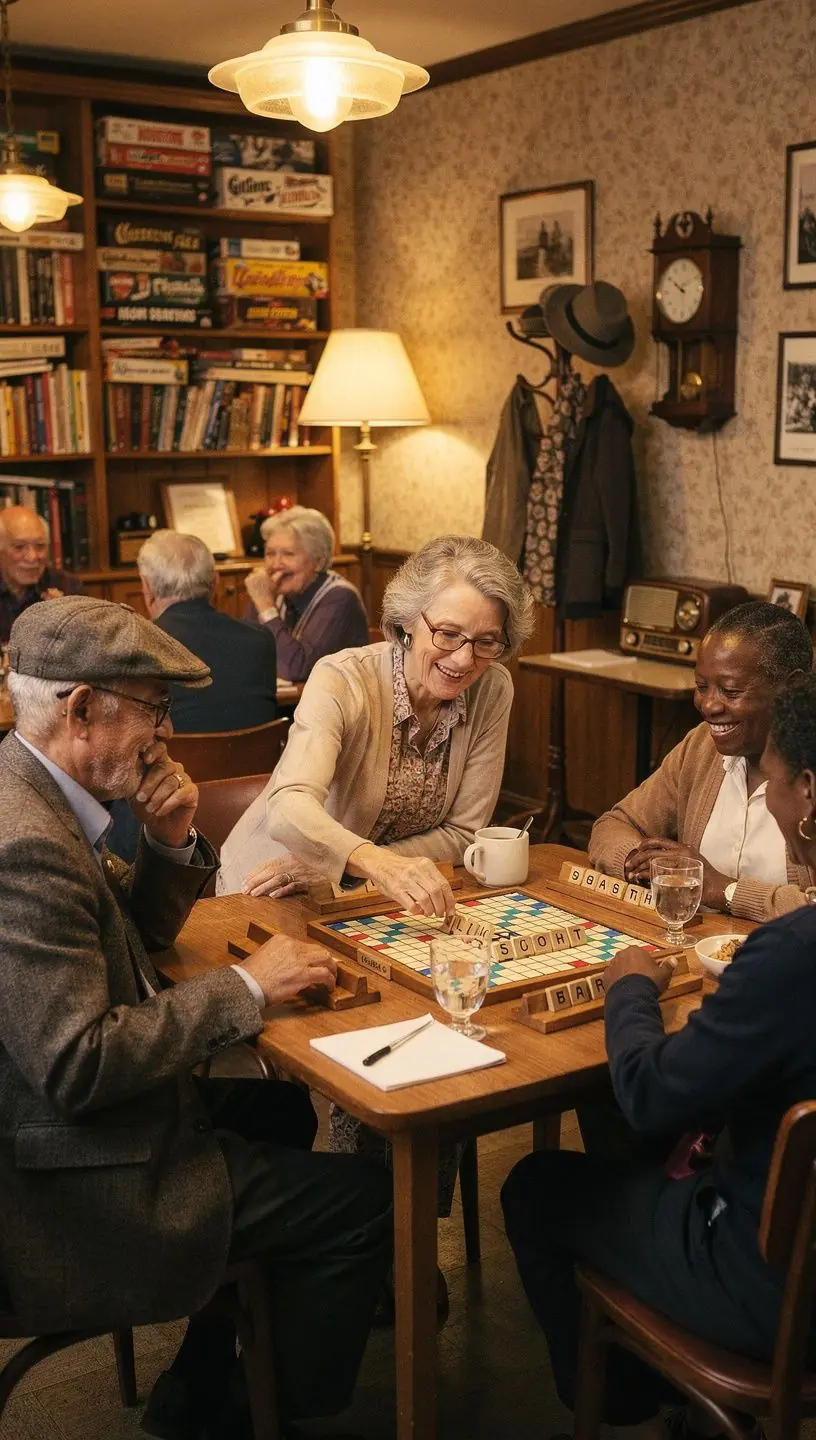
Board game clubs typically serve as a gathering point where individuals can share a common interest. According to research conducted by community psychologists, participation in community-focused activities like board gaming often leads to improved social cohesion and stronger community ties. These clubs can be particularly beneficial in urban areas where individuals may feel isolated.
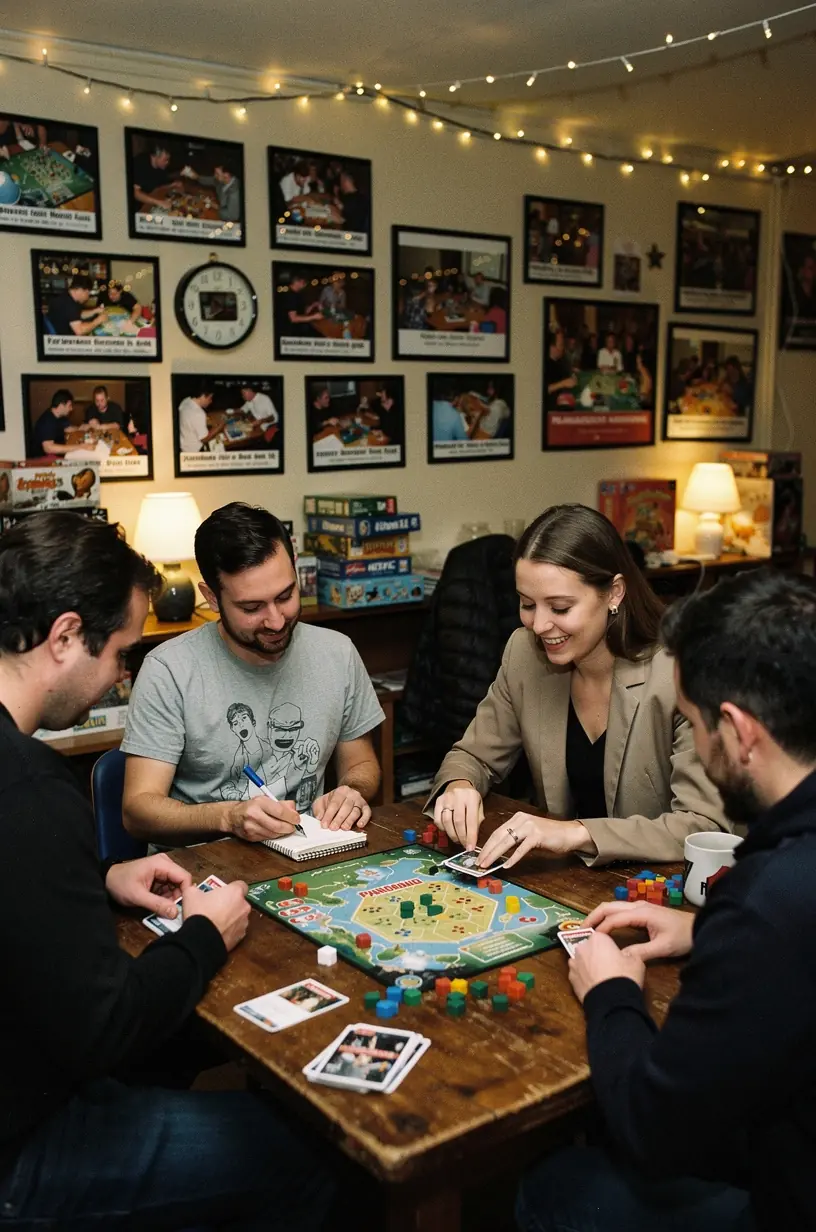
"Community engagement through shared activities can significantly enhance social networks and foster a sense of belonging."
How Board Game Clubs Foster Community
The methodology behind community building through board game clubs can be observed through several key factors:
- Shared Interests: Many users report that a common passion for games often breaks the ice, making it easier for individuals to engage and communicate.
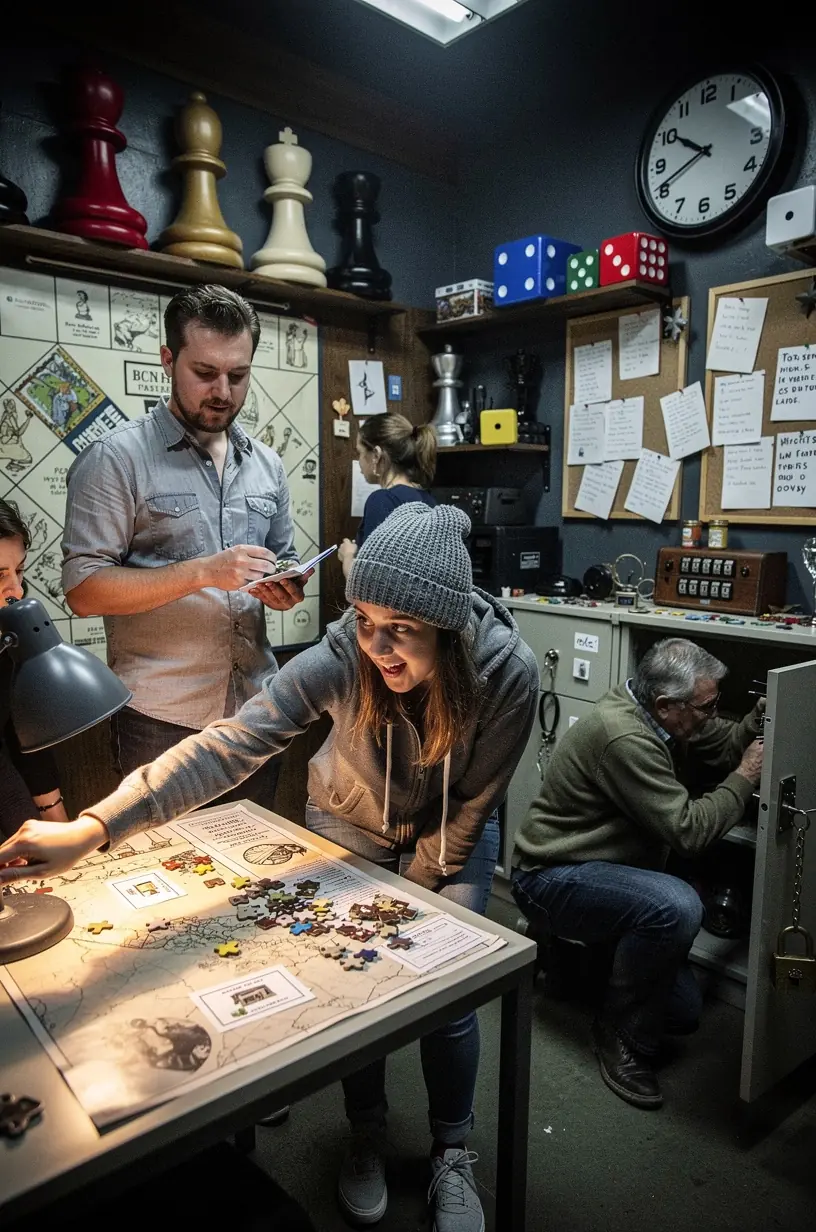
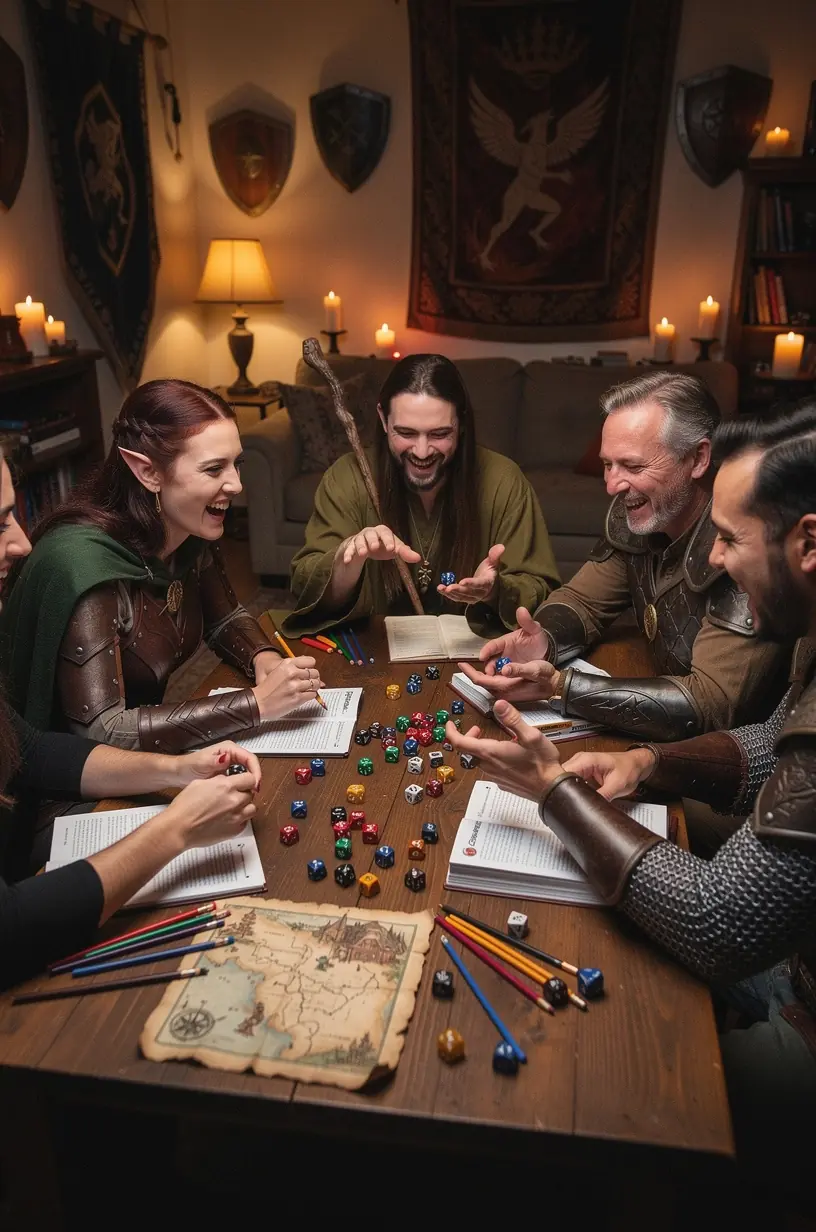
- Themed Game Nights: Hosting themed game nights, as recommended by experts, provides opportunities for members to express creativity while building friendships over shared experiences.
- Tournaments: Organizing tournaments encourages healthy competition and teamwork, further strengthening community bonds.
Challenges and Considerations
While board game clubs offer numerous benefits, they also require time and effort to establish and maintain. For instance:
- Setting up a club typically takes several weeks of planning, including venue selection, scheduling, and promotion.
- The initial commitment may be high, as forming a reliable group of regular attendees often requires dedication from the organizers.
- Clubs might not be suitable for all types of individuals, especially those who prefer solitary activities over social engagements.
Conclusion
In conclusion, board game clubs play a significant role in fostering community connections and enhancing social interaction. While they come with challenges, the rewards of creating a welcoming space for individuals to engage in a shared passion can lead to lasting relationships and a stronger sense of belonging in the community. By prioritizing educational and practical insights, these clubs can successfully navigate the complexities of community building.