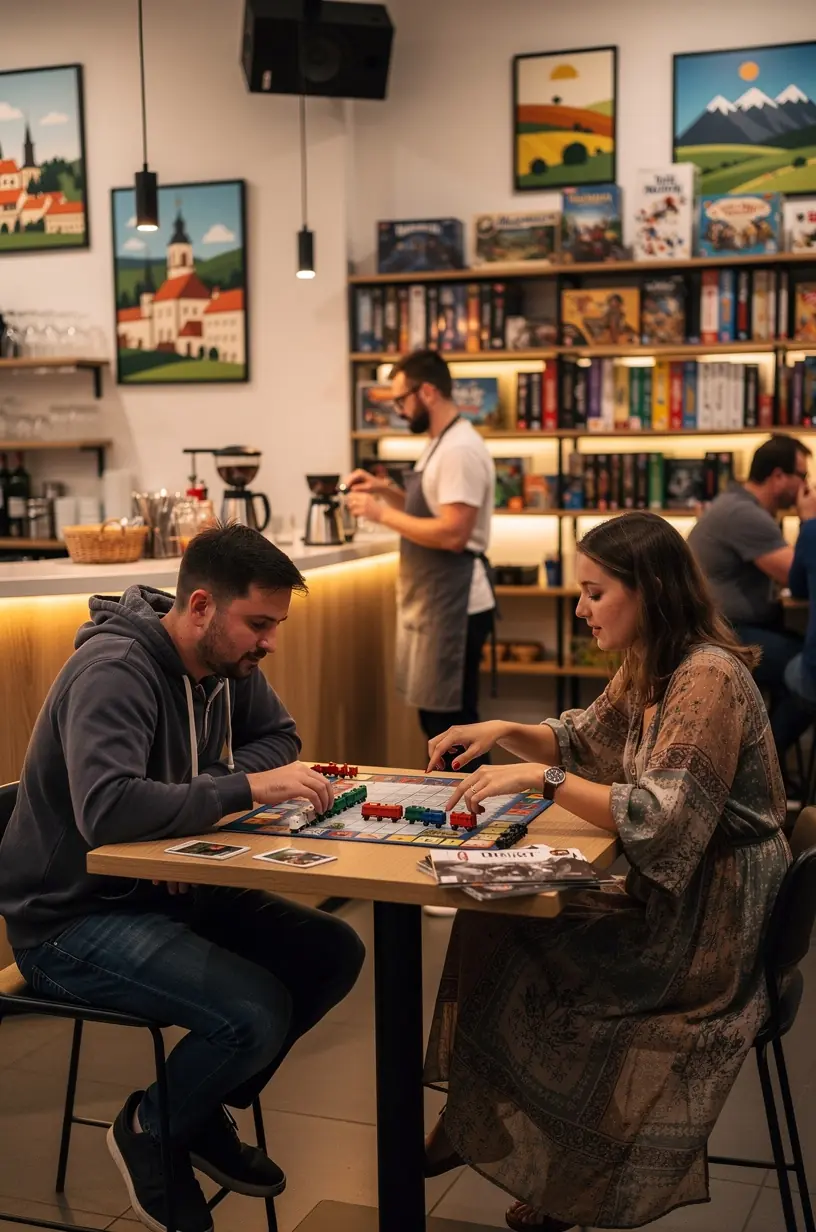
Creating an Inclusive Environment in Board Game Spaces
Fostering an inclusive atmosphere in board game clubs is essential for enhancing player experiences and promoting community engagement. Research suggests that inclusive environments can significantly improve participation and enjoyment.
Understanding the Importance of Inclusivity
Inclusivity in board game spaces is not just a trendy concept; it addresses fundamental human needs for belonging and acceptance. According to studies, inclusive environments can lead to increased community participation, helping different groups feel valued and engaged. Many users report that when they feel included, their overall enjoyment and likelihood to return to the space increases.
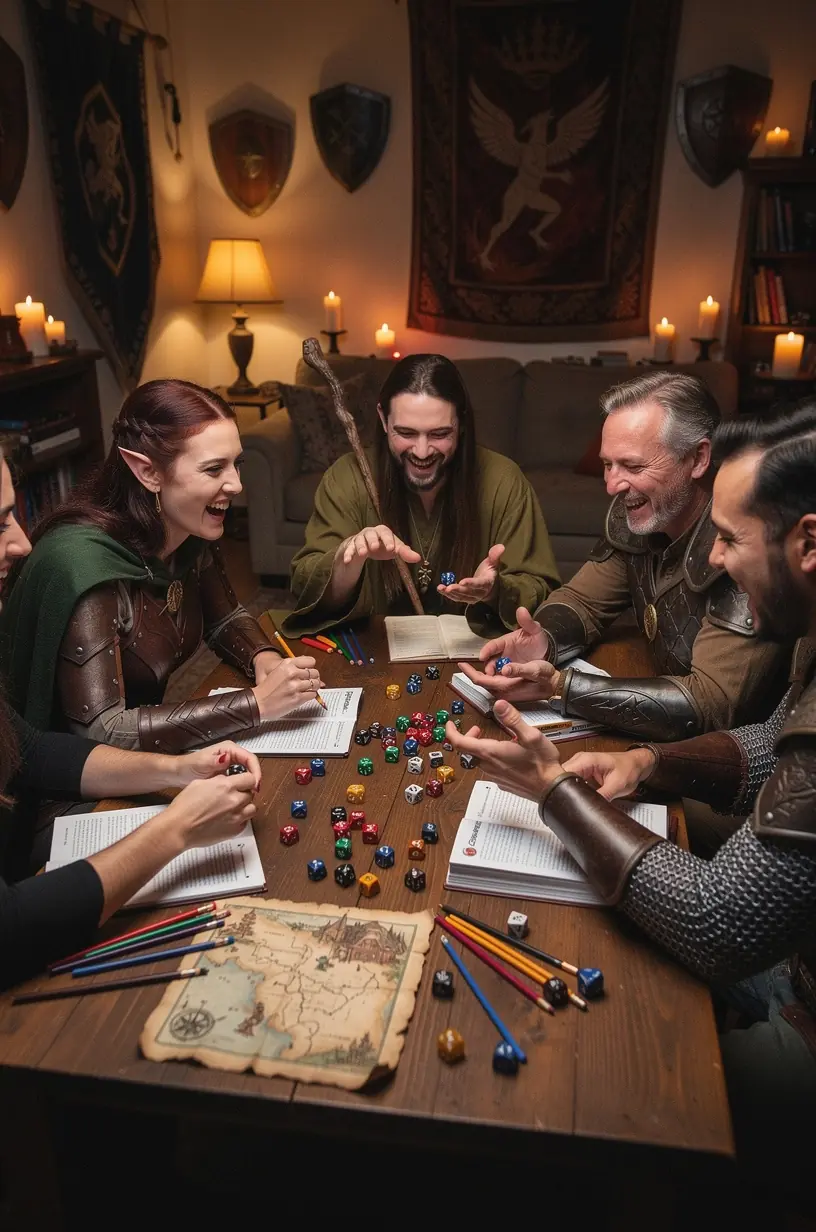
"Creating a welcoming environment is critical for engagement. It helps to attract a diverse range of players, enriching the gaming experience for everyone involved."
Key Strategies for Fostering Inclusivity
Implementing effective strategies is essential for creating a truly inclusive space. Here are some practical approaches:
- Diverse Game Selection: Ensure that the games offered reflect a variety of cultures and experiences. Experts recommend regularly updating your library to include games from diverse creators.
- Accessible Spaces: Physical accessibility is vital. This includes having wheelchair-accessible tables and seating. According to industry standards, spaces should accommodate players with different needs, which enhances the overall experience.
- Community Feedback: Solicit feedback from community members to understand their needs better. Regular surveys can reveal areas for improvement and help foster a sense of ownership among players.
Training and Awareness
Training staff and volunteers on inclusivity is a proven approach that can help create a respectful environment. Workshops focusing on topics like sensitivity and cultural competency can often lead to more empathetic interactions. Time commitments for such training usually range from a few hours to a couple of days, depending on the depth of content covered.
Overcoming Challenges to Inclusivity
While many clubs strive for inclusivity, challenges may arise. Acknowledge that not all strategies will work perfectly in every context; what is effective in one community may not apply in another. Many clubs report that fostering inclusivity requires ongoing effort and commitment.
It's crucial to recognize that achieving a fully inclusive environment often takes time. Typically, clubs may notice positive changes within 3-6 months of implementing new strategies, though some adjustments may take longer to show results.
"Inclusivity is a journey, not a destination. Continuous improvement is key to creating a welcoming environment for all players."
Conclusion
Creating an inclusive environment in board game spaces is a multifaceted challenge that requires dedication and ongoing effort. By prioritizing diverse game selections, ensuring physical accessibility, and actively seeking community feedback, clubs can foster a welcoming atmosphere. While the journey towards inclusivity may come with challenges, the rewards—enhanced player engagement and satisfaction—are well worth the investment.
Discover More