How Board Game Clubs Foster Social Skills and Relationships
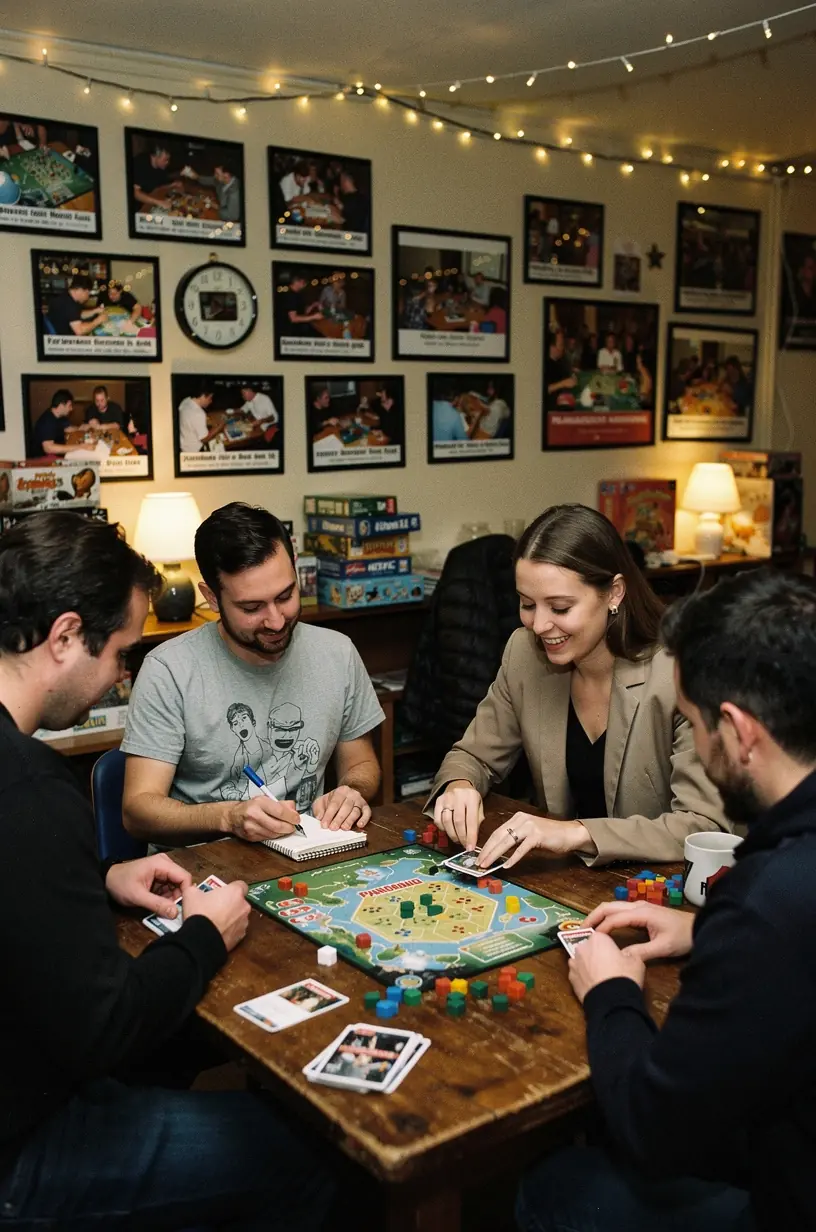
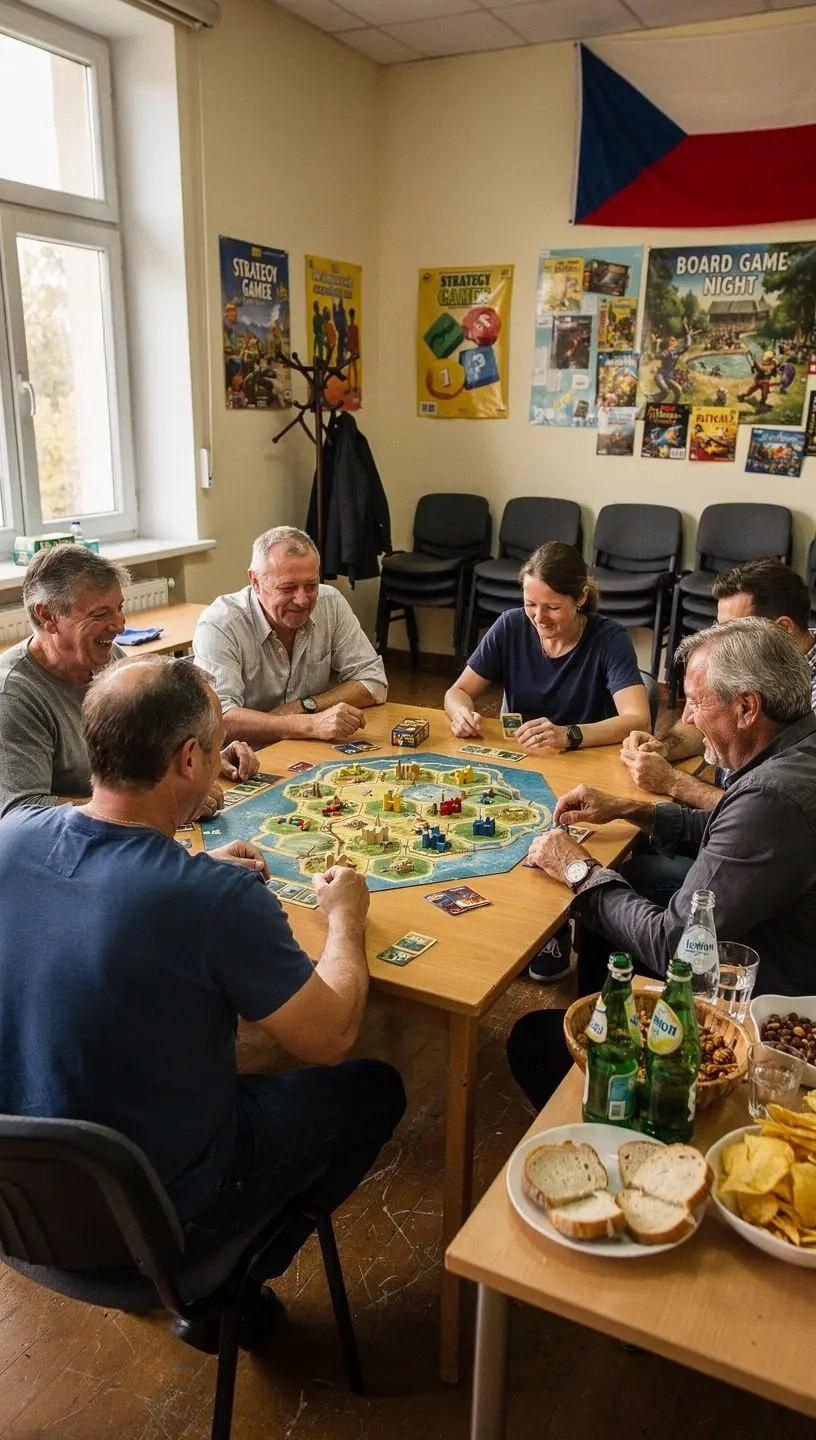
Board game clubs serve as vibrant spaces where players gather, not just to engage in gameplay but also to cultivate essential social skills and foster meaningful relationships. This article explores how these clubs contribute to social development and interpersonal connections.
Understanding the Benefits of Board Game Clubs
Board game clubs are more than just venues for playing games; they are social incubators. Research indicates that engaging in collaborative activities can significantly enhance interpersonal skills. According to a study published in the journal Social Skills Development, participants involved in group gaming reported improved communication skills and a greater sense of community.

"Playing board games encourages players to communicate, negotiate, and resolve conflicts collectively, fostering social skills in a fun environment."
Social Interaction Through Gameplay
Many users report that board games create an informal setting where players can interact freely. The structured yet flexible nature of gameplay often leads to:
- Enhanced Communication: Players must articulate their strategies and understand others' intentions, which improves verbal communication skills.
- Teamwork: Many board games require collaboration, teaching participants how to work together towards a common goal.
- Conflict Resolution: Players encounter disagreements about rules or strategies, which provides a platform to develop negotiation skills.
Building Relationships in a Comfortable Environment
Board game clubs typically offer a welcoming atmosphere that encourages social interaction. This environment is crucial for building lasting relationships. Studies show that shared experiences, such as playing games together, help individuals bond more effectively. According to social psychologists, mutual enjoyment of activities promotes positive interactions and can lead to deeper friendships.
"The shared experience of playing board games often translates into real-life friendships, helping individuals connect on a personal level."
Commitment to Regular Participation
While the benefits of board games are evident, reaping these rewards requires commitment. Regular participation in board game nights can take time to establish relationships. Typically, individuals may need to attend sessions for several weeks or months to fully integrate into the community.
Moreover, becoming comfortable in a social setting can involve:
- Initial self-doubt or anxiety about joining new groups.
- A learning curve in understanding various game mechanics.
- Time investment, as building relationships often requires consistent interaction.
Conclusion
In summary, board game clubs offer an effective platform for individuals to enhance their social skills and develop meaningful relationships. According to various studies, the benefits extend beyond gameplay, contributing to personal and social development. While it may take time and effort to foster these connections, the rewards can lead to lasting friendships and improved interpersonal skills. Engaging in board games is not just about competition; it is a pathway to building a supportive community.
Discover More